Skip to content

Religious Freedom and Countering the Political Instrumentalization of Religion

Standing with those who refuse to let their faith become an instrument of war.

We document religious persecution, examine the Kremlin’s use of religious institutions, and bring independent clergy and experts into public and policy debate

A group of six participants, including Orthodox clergy, at an advocacy discussion.
The issue

When belief becomes
a test of loyalty

No one should face punishment for their faith, their conscience, or their refusal to support a war.

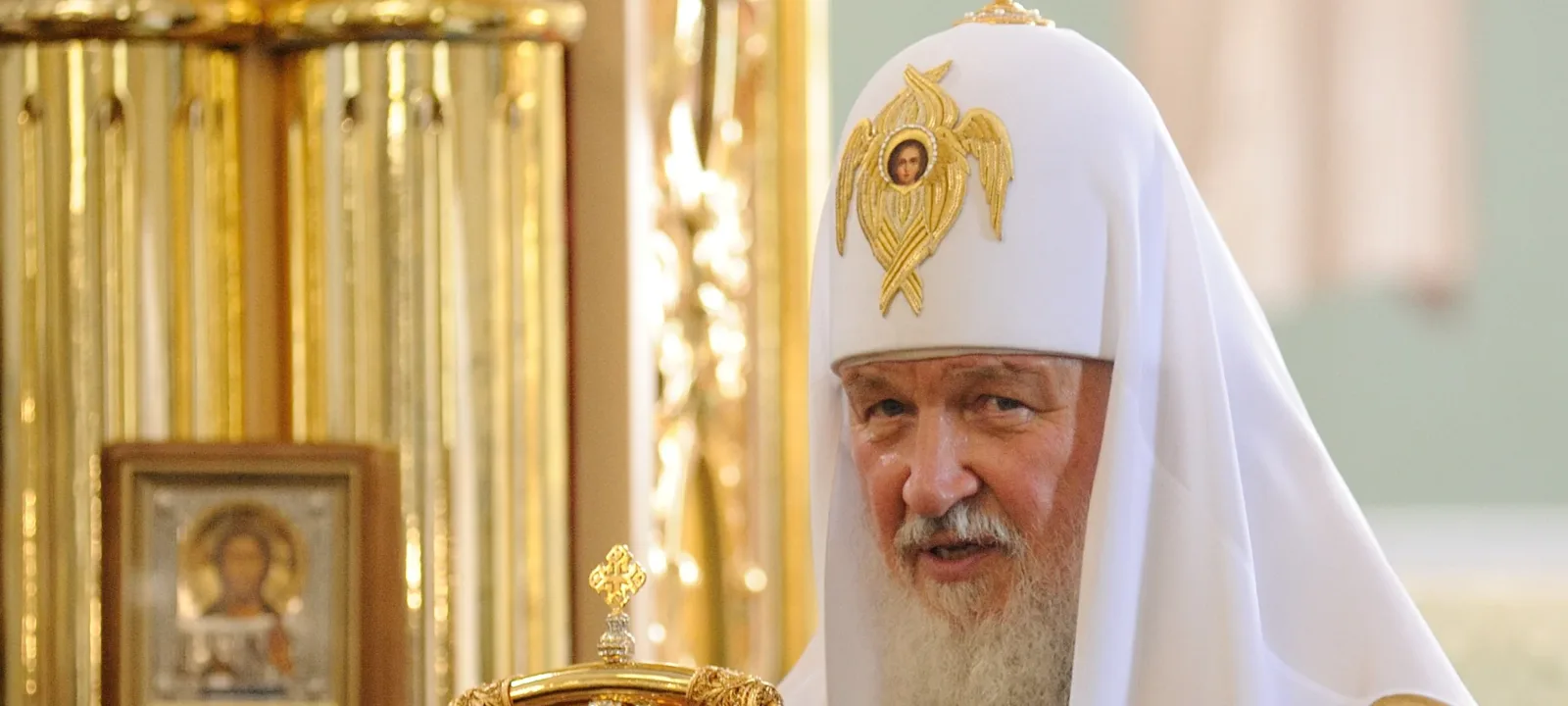
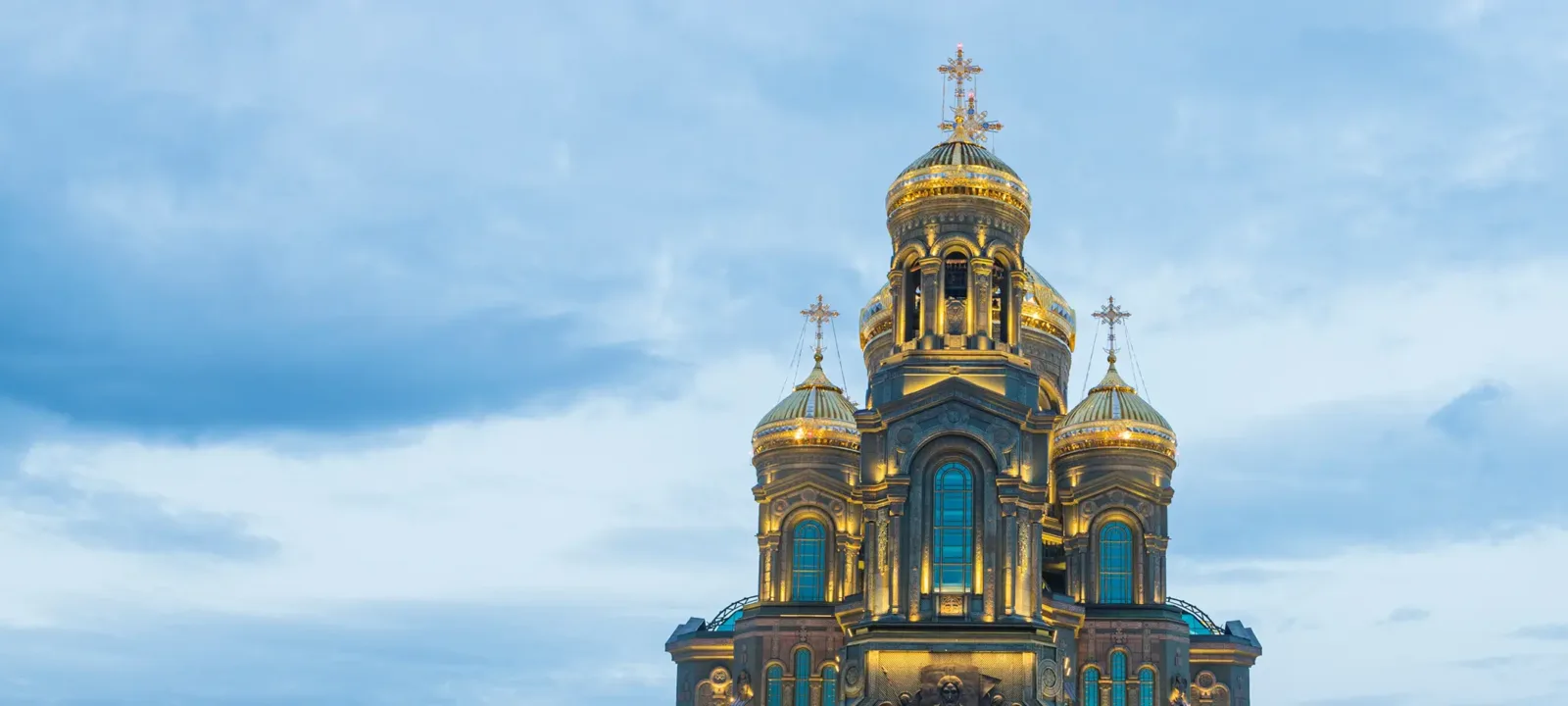
Russia’s war against Ukraine has exposed the consequences of the close relationship between state power and the leadership of the Russian Orthodox Church. Religious language is used to justify aggression, while clergy and believers who speak out for peace face pressure and punishment.

The consequences extend beyond Russia. Religious communities in occupied Ukrainian territories face persecution, while church networks abroad can serve as channels for the Kremlin’s political influence.

Our work examines these abuses while making space for the voices of believers who reject violence and coercion.

Read the research
International advocacy

Bringing the evidence
to decision-makers

Independent clergy and researchers help policymakers understand the connection between religious persecution, propaganda, and Russia’s war.

FRF organized a Washington visit by anti-war Orthodox clergy and religious affairs experts, building on the publication of The Russian Orthodox Church and the War. They met with policymakers, researchers, and human rights advocates to discuss the Church’s support for the war, repression of clergy who advocate peace, and persecution in occupied Ukrainian territories.

On September 19, 2025, Senator Chuck Grassley cited FRF’s report in remarks on the U.S. Senate floor, drawing attention to the Moscow Patriarchate’s support for the invasion and its role in religious persecution.

U.S. Senate | September 19, 2025 | English

Senator Chuck Grassley on FRF’s report

In remarks on the Senate floor, Senator Grassley highlights FRF’s findings on the Moscow Patriarchate’s support for the invasion and its role in religious persecution.

“Everyone interested in religious freedom in Russia and Ukraine should read the recent report by the Free Russia Foundation.”
Atlantic Council | September 17, 2025 | English

How the Russian Orthodox Church supports the Kremlin’s war against Ukraine

This Atlantic Council discussion, organized in partnership with FRF, brings independent clergy and researchers into the policy debate. Moderated by Vladimir Kara-Murza, it examines the Moscow Patriarchate’s support for Russia’s war against Ukraine.

Held in partnership with FRF, this discussion features Andrey Kordochkin, Sergei Chapnin, Valerian Dunin-Barkovsky, and Elizabeth H. Prodromou, with opening remarks by Shelby Magid. Vladimir Kara-Murza moderates the conversation.

Transit | Транзит

Bringing independent Christian voices to audiences inside Russia

Faith, moral choice, and the politics of “traditional values”—in discussion with independent clergy and researchers.

Faith and the war

When “traditional values” justify violence

Archpriest Andrey Kordochkin discusses the Church’s alignment with state power, pressure on believers, and the future of Orthodoxy beyond the current political system.

Unconventional Values | Нетрадиционные ценности

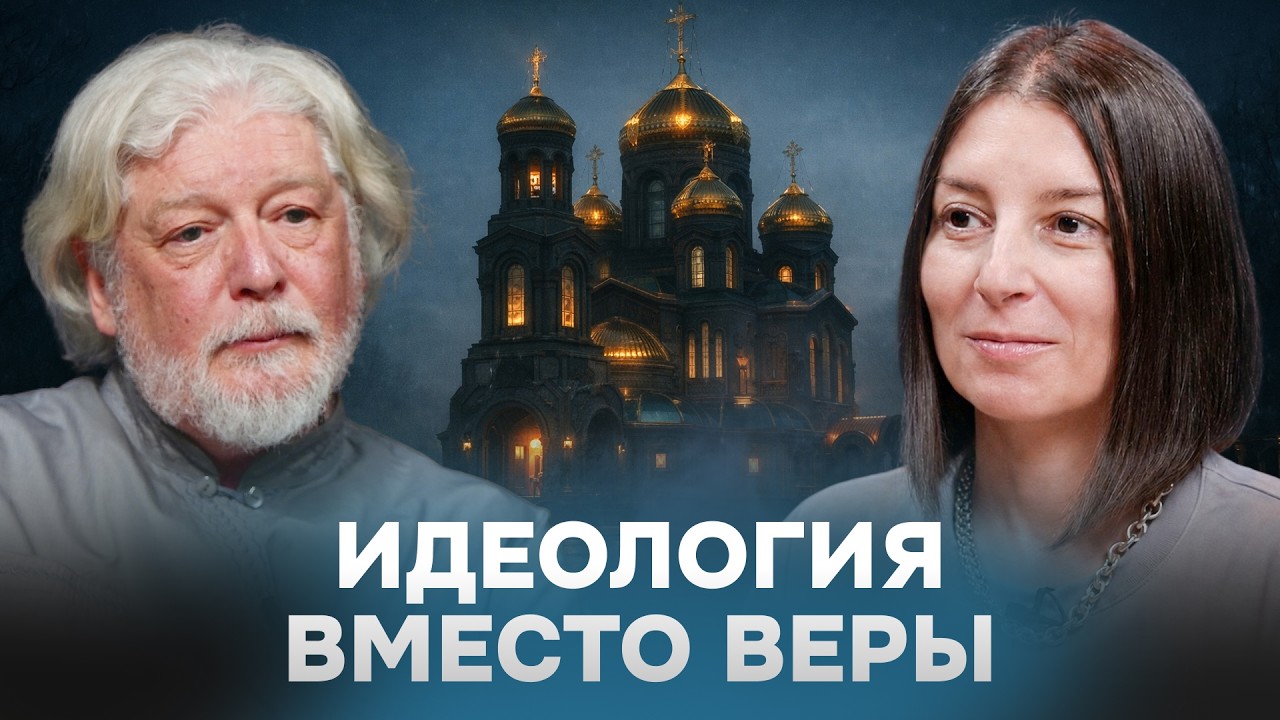
What happened to faith in Russia?

Ksenia Luchenko speaks with Archpriest Alexey Uminsky about faith in contemporary Russia and the relationship between the Church and state power.

More independent conversations on Transit Explore the channel