


On April 1, 2026, Free Russia Foundation (FRF) President Natalia Arno participated in a high‑level public discussion on transnational repression (TNR), titled “Defending Democracy’s Frontline Defenders.” The event was organized by the Canadian Embassy in Germany in partnership with Journalists for Human Rights.
The discussion brought together leading voices addressing the growing threat of authoritarian regimes targeting critics beyond their borders. Sviatlana Tsikhanouskaya, National Leader of Belarus, delivered keynote remarks. The panel was moderated by Vytis Jurkonis of Freedom House and featured distinguished speakers including Hanna Liubakova, a Belarusian journalist and political analyst in exile and Jessikka Aro, a Finnish journalist and author.
Ahead of the public event, Natalia Arno also took part in a closed roundtable with German and Canadian diplomatic representatives, law enforcement officials, and key stakeholders. The session focused on strengthening international coordination and identifying practical strategies to counter transnational repression.
On April 1, 2026, Free Russia Foundation (FRF) President Natalia Arno participated in a high‑level public discussion on transnational repression (TNR), titled “Defending Democracy’s Frontline Defenders.” The event was organized by the Canadian Embassy in Germany in partnership with Journalists for Human Rights.
The discussion brought together leading voices addressing the growing threat of authoritarian regimes targeting critics beyond their borders. Sviatlana Tsikhanouskaya, National Leader of Belarus, delivered keynote remarks. The panel was moderated by Vytis Jurkonis of Freedom House and featured distinguished speakers including Hanna Liubakova, a Belarusian journalist and political analyst in exile and Jessikka Aro, a Finnish journalist and author.
Ahead of the public event, Natalia Arno also took part in a closed roundtable with German and Canadian diplomatic representatives, law enforcement officials, and key stakeholders. The session focused on strengthening international coordination and identifying practical strategies to counter transnational repression.
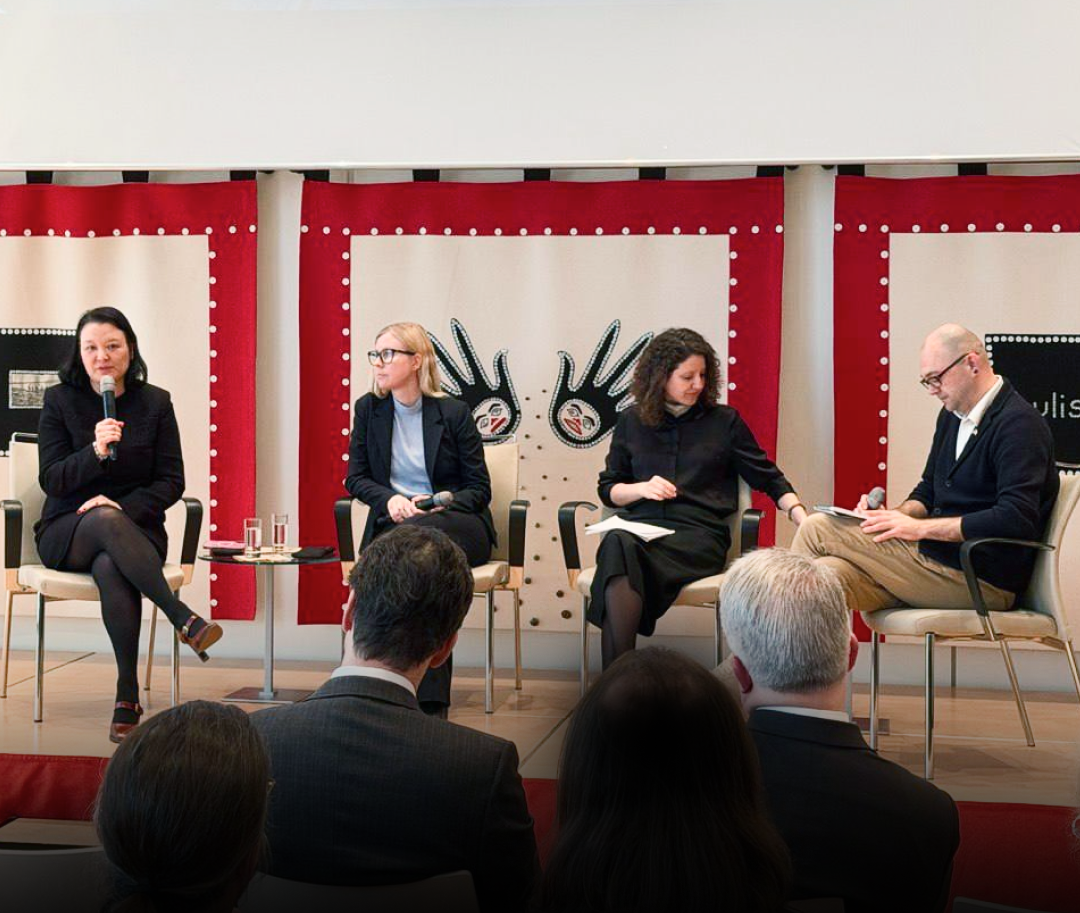
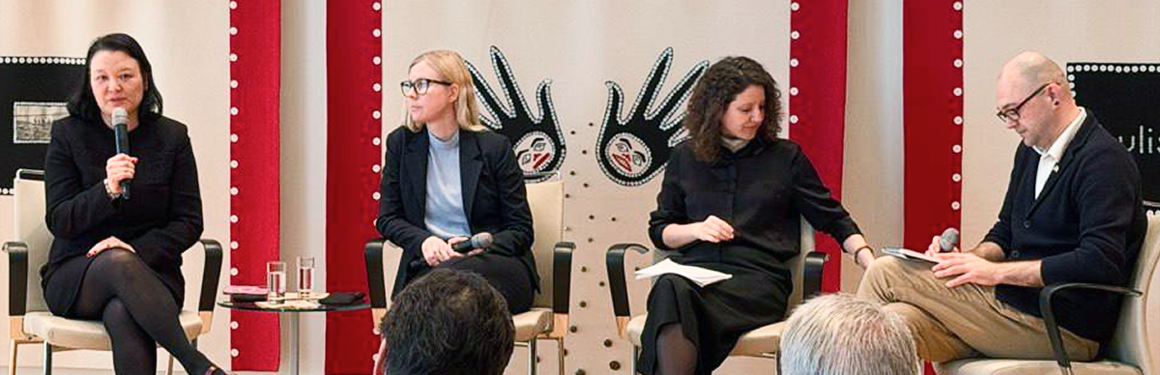
During the discussion, participants emphasized that TNR is a rapidly escalating global challenge requiring urgent and coordinated action by democratic governments. The conversation highlighted critical gaps in how democracies identify, understand, and respond to TNR, as well as the need to build institutional resilience and improve protection mechanisms for those targeted.
Natalia Arno underscored the central role of Russia as one of the leading perpetrators of transnational repression worldwide. Drawing on both institutional experience and personal exposure to such attacks, she outlined how Russia has expanded and systematized its TNR practices—particularly following the full‑scale invasion of Ukraine in 2022. What was once largely targeted repression against select individuals has evolved into a broader, systematic campaign against entire communities of journalists, activists, and civil society actors in exile.
During the discussion, participants emphasized that TNR is a rapidly escalating global challenge requiring urgent and coordinated action by democratic governments. The conversation highlighted critical gaps in how democracies identify, understand, and respond to TNR, as well as the need to build institutional resilience and improve protection mechanisms for those targeted.
Natalia Arno underscored the central role of Russia as one of the leading perpetrators of transnational repression worldwide. Drawing on both institutional experience and personal exposure to such attacks, she outlined how Russia has expanded and systematized its TNR practices—particularly following the full‑scale invasion of Ukraine in 2022. What was once largely targeted repression against select individuals has evolved into a broader, systematic campaign against entire communities of journalists, activists, and civil society actors in exile.
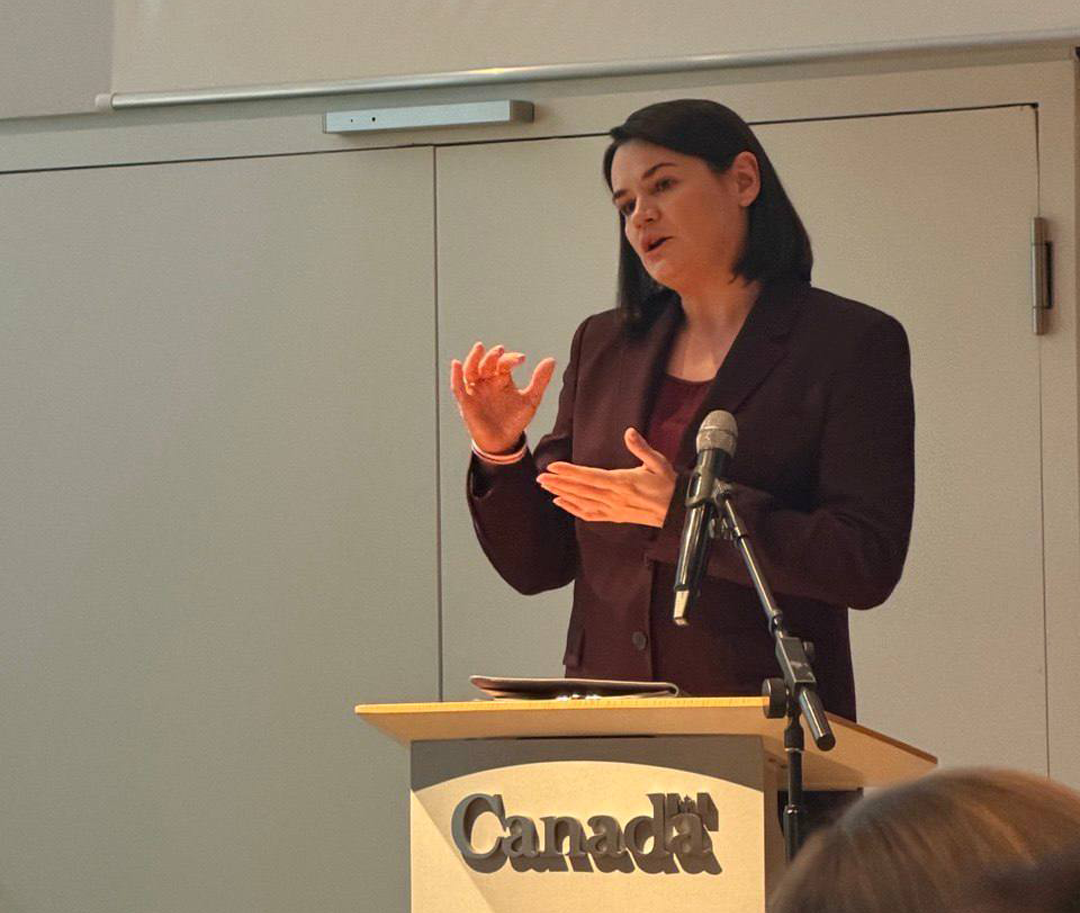

Speakers highlighted that today’s TNR operates through a coordinated mix of legal, administrative, and coercive tools, including prosecutions in absentia, digital harassment, economic pressure, and threats against individuals and their families. These practices not only harm victims directly—affecting their safety, well‑being, and livelihoods—but also produce a wider chilling effect on democratic participation and civic engagement.
Importantly, TNR was framed not only as a national security concern, but as a fundamental human rights issue unfolding within democratic societies themselves. By exploiting legal systems, migration frameworks, and digital platforms, authoritarian regimes undermine the sovereignty of host countries and challenge the rule of law.
Speakers highlighted that today’s TNR operates through a coordinated mix of legal, administrative, and coercive tools, including prosecutions in absentia, digital harassment, economic pressure, and threats against individuals and their families. These practices not only harm victims directly—affecting their safety, well‑being, and livelihoods—but also produce a wider chilling effect on democratic participation and civic engagement.
Importantly, TNR was framed not only as a national security concern, but as a fundamental human rights issue unfolding within democratic societies themselves. By exploiting legal systems, migration frameworks, and digital platforms, authoritarian regimes undermine the sovereignty of host countries and challenge the rule of law.
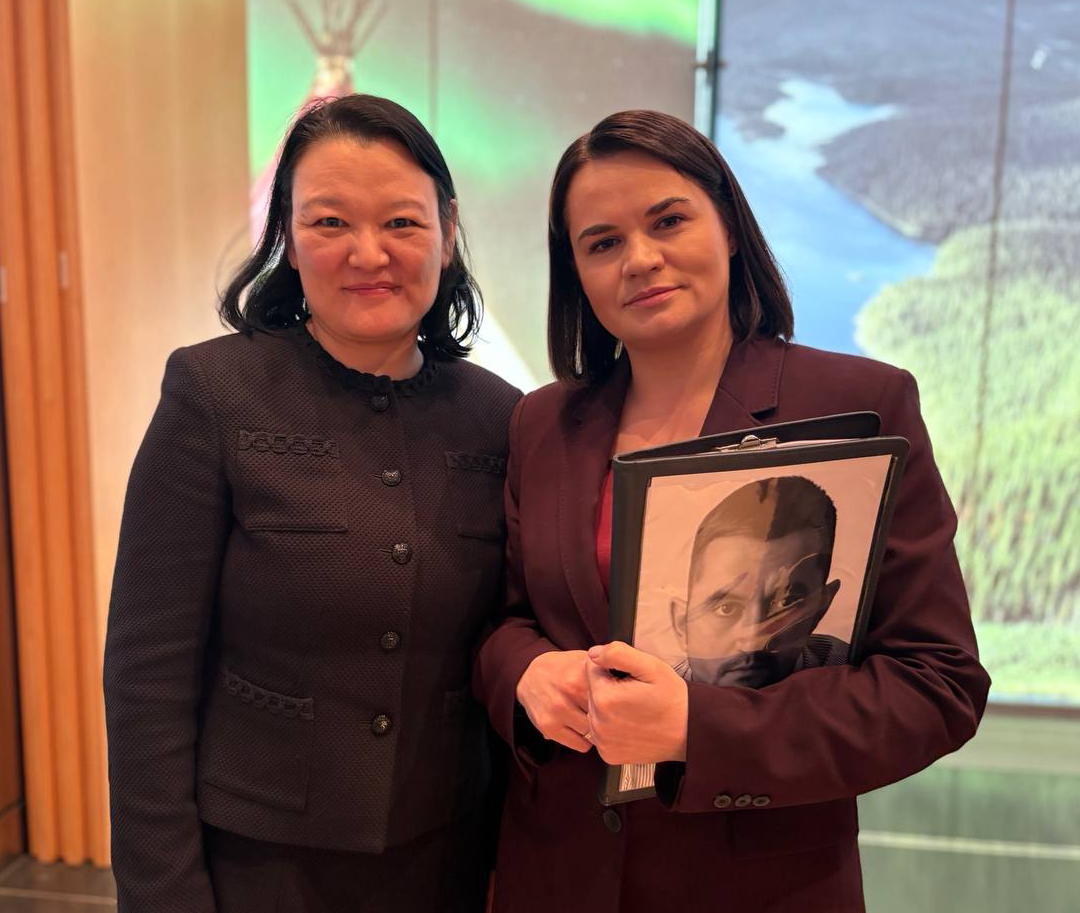
Participants concluded that transnational repression represents a direct test of democratic resilience. Addressing it effectively will require a more unified European and transatlantic response, stronger legal frameworks, improved protection for targeted individuals, and sustained political attention. Failure to act risks normalizing the export of authoritarian repression into democratic spaces and weakening the very foundations of democratic governance.
Participants concluded that transnational repression represents a direct test of democratic resilience. Addressing it effectively will require a more unified European and transatlantic response, stronger legal frameworks, improved protection for targeted individuals, and sustained political attention. Failure to act risks normalizing the export of authoritarian repression into democratic spaces and weakening the very foundations of democratic governance.